


Mastering Currency Trading in Forex
Forex trading, a term often linked with excitement and volatility, is one of the most lucrative yet complex forms of investment available today. With an estimated daily trading volume exceeding $6 trillion, Forex stands as the largest financial market in the world. Whether you’re a novice trader or a seasoned professional, understanding the nuances of currency trading is paramount for success. In this article, we delve deep into the essential elements of Forex trading, including strategies, tools, and the importance of choosing the right currency trading forex Forex Brokers in Kuwait.
Understanding the Forex Market
The Forex market is characterized by the trading of currency pairs. Unlike the stock market, where shares of companies are bought and sold, in Forex, traders buy one currency while simultaneously selling another. This is done in pairs, such as EUR/USD (Euro/US Dollar) or GBP/JPY (British Pound/Japanese Yen).
The Importance of Forex Brokers
Forex brokers serve as intermediaries between traders and the Forex market. They provide access to trading platforms, financial resources, and market analytics, which are crucial for making informed decisions. Selecting a reliable broker is fundamental to your success in Forex trading. Look for brokers that offer competitive spreads, a user-friendly platform, and excellent customer service. Additionally, regulatory compliance is crucial; ensure that your broker is licensed by a recognized authority.
Major Currency Pairs
Currency pairs are categorized into three main types: major, minor, and exotic pairs. Major pairs include the most traded currencies in the world, such as USD, EUR, and JPY. For instance, the EUR/USD is the most traded pair, accounting for a significant portion of the market turnover. Minor pairs consist of currencies that are less frequently traded, while exotic pairs combine major currencies with those from emerging markets.
Keys to Success in Forex Trading
Achieving success in Forex trading is not merely a matter of luck; it requires a well-thought-out strategy, discipline, and a strong understanding of market dynamics. Below are some key principles to consider:
1. Develop a Trading Plan
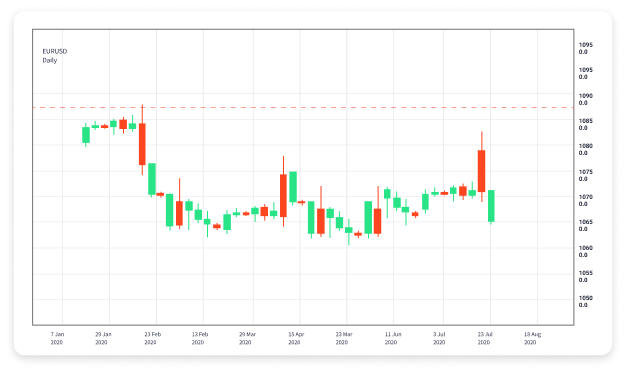
A solid trading plan includes your goals, risk tolerance, and a strategy that outlines how you will approach trading. A good plan should factor in fundamental and technical analysis and specify the currency pairs you will trade.
2. Implement Risk Management
Risk management is crucial in Forex trading. It involves setting stop-loss orders, limiting the size of trades, and ensuring you don’t over-leverage your capital. A good rule of thumb is to risk no more than 1-2% of your total trading capital on a single trade.
3. Utilize Technical and Fundamental Analysis
Technical analysis involves analyzing price charts to identify patterns and trends, while fundamental analysis examines economic indicators, news events, and geopolitical situations. Successful traders often combine both approaches to better understand market movements.
4. Stay Updated on Market News
The Forex market is influenced by global events. Economic indicators, central bank announcements, and geopolitical tensions can lead to significant price movements. Staying abreast of market news helps you react appropriately and take advantage of trading opportunities.
Common Strategies for Forex Trading
Several trading strategies can be effective in the Forex market. Some of the most popular include:
1. Day Trading
Day trading involves opening and closing trades within the same day. Day traders capitalize on small price movements, seeking quick profits while avoiding overnight market risks.
2. Swing Trading
Swing traders hold positions for several days or weeks, aiming to profit from larger price movements. This strategy requires a strong understanding of market trends and technical analysis.

3. Scalping
Scalping is a high-speed strategy where traders make dozens or hundreds of trades per day, seeking small price changes. While this can be profitable, it requires quick decision-making and a highly disciplined approach.
Tools and Resources for Traders
Having the right tools at your disposal is vital for successful Forex trading. Here are some essential tools:
1. Trading Platforms
A reliable trading platform will provide you with the tools to analyze markets, execute trades, and monitor your portfolio. Popular platforms like MetaTrader 4 and MetaTrader 5 are widely used by traders for their advanced charting capabilities and automated trading options.
2. Economic Calendars
An economic calendar will help you keep track of important economic events, including reports on employment, inflation, and gross domestic product (GDP) releases, all of which can influence currency movements.
3. Trading Journals
Maintaining a trading journal allows you to track your trades, analyze performance, and learn from both successes and mistakes. This practice can improve your trading strategy over time.
Conclusion
Currency trading in the Forex market offers exciting opportunities for those willing to learn and invest time in developing their skills. By understanding the market, utilizing effective strategies, and managing risks wisely, traders can enhance their chances of success. The road to becoming a successful Forex trader requires dedication, resilience, and a continuous desire to learn. As you embark on your trading journey, remember the importance of choosing the right Forex broker and staying informed about market developments.


